Sell the device, own the subscription.
Wearables mix a high-consideration hardware sale with recurring software revenue. We run the full-funnel engine that shortens the decision and maximizes lifetime value.
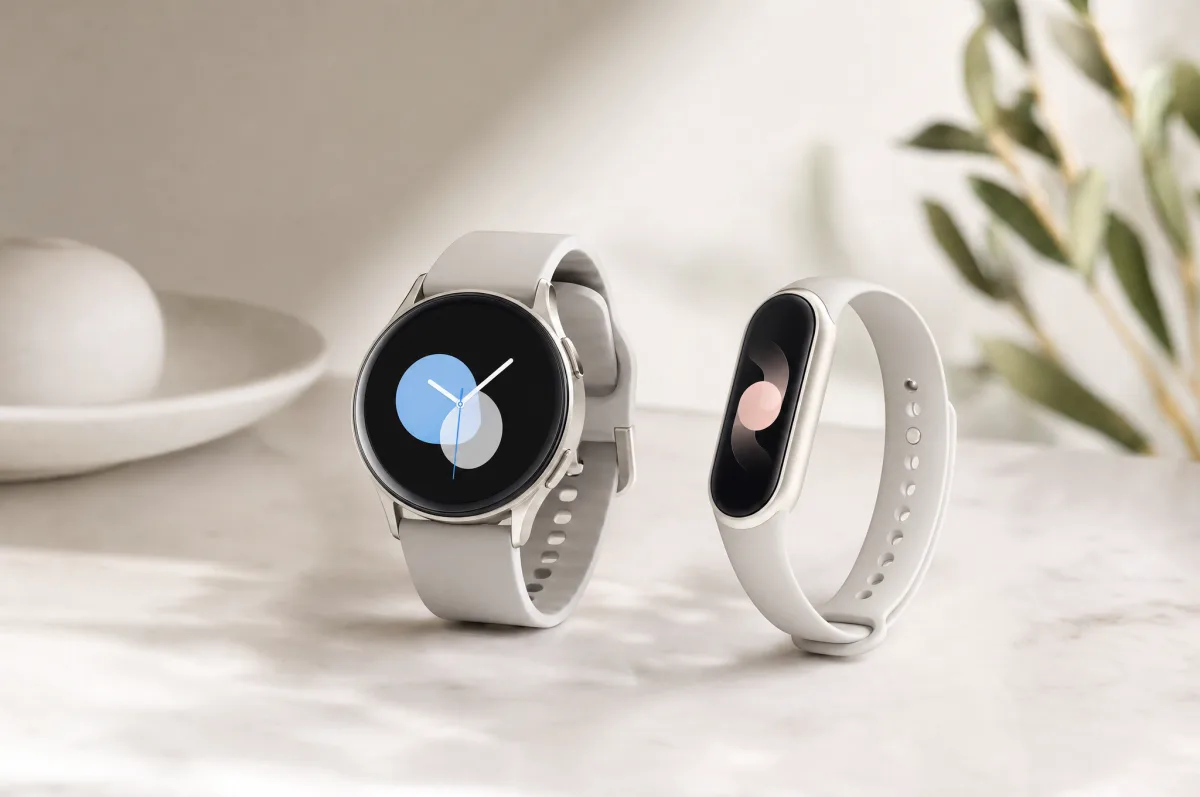 Wearables
Built for Wearables brands.
The specific problems we solve to make paid growth profitable in your category, not a generic playbook.
High price, long consideration
Education-led creative and retargeting that de-risk the purchase and shorten the path to buy.
Hardware margin pressure
We bid to blended LTV including the subscription, so device CAC targets reflect true unit economics.
Proving it works
Demo, review and results-led UGC that turns skeptics into buyers.
The whole growth engine for Wearables.
One senior team running paid, organic, funnels, creative, and web, so nothing falls between agencies.
Meta Ads
Advantage+ and UGC engineered to scale spend profitably.
TikTok Ads
Spark Ads and creator content that turn trends into sales.
Google Ads
Search, Shopping and Performance Max tuned for margin.
Funnels & ecom design
Offers, landers and upsells built around how buyers shop.
Organic social
An owned audience that makes your paid work harder.
Website design
Fast, conversion-first storefronts and landing pages.
Wearables marketing, answered.
How do you advertise a wearable when shoppers resist subscriptions?
Wearable ads win subscription-wary shoppers by stating membership terms plainly and showing what the subscription adds that the device alone does not. As of 2026, Oura charges $5.99 a month or $69.99 a year and says the ring still works without membership, with more limited insights.
How should a wearable brand set acquisition targets when revenue comes from the device and the subscription?
A wearable brand should set acquisition targets on blended lifetime value: device margin plus expected subscription revenue, weighted by attach rate and retention. AdBoost Media bids to that blended value, so device acquisition targets reflect true unit economics instead of device margin alone.
Which wellness claims can a wearable make without FDA clearance?
A wearable can make general wellness claims, such as fitness, sleep, stress or weight management, without FDA clearance if it is low risk and does not diagnose or treat disease. The FDA's January 2026 General Wellness guidance also covers non-invasive estimates like heart rate variability or blood oxygen when outputs are for wellness only.
How do you shorten the buying decision for a high-priced wearable?
A high-priced wearable sells faster when ads remove the doubts that stall the purchase: does it work, does it fit the buyer's routine, what does the subscription cost, and what if it disappoints. Demos, plain pricing and a clear return window answer them, and retargeting carries reviews through the longer decision.
What should a wearable brand look for in a launch and growth agency?
A wearable brand should look for an agency that plans around hardware economics and subscriptions, not just a launch spike: lifetime value bidding, demo creative that proves the device works, and knowledge of wellness claim rules. It should report attach rate and subscriber retention by acquisition cohort.
Ready to scale your wearables brand profitably?
A 30-minute call with a senior strategist. Free account audit included. No pitch deck, just a real plan you can take to your team, whether you work with us or not.